Trusted Orlando locksmith for Business Lock System Failures. After decades solving commercial lock problems in downtown streets and strip malls, I can spot the difference between a simple cylinder swap and a systemic security failure. If you manage an office, retail outlet, or warehouse and you typed "emergency locksmith" into your phone at 2 a.m., these are the situations, solutions, and trade-offs you need to know.
Why you should not treat a commercial lockout like a residential locksmith call.
Commercial locks live under heavier stress and carry business liability, so the same repair choices do not always apply. Beyond the physical fix, a business lock failure often triggers insurance questions, vendor notifications, and temporary access plans, all of which deserve attention before the locksmith leaves.
The typical ways business locks break down and what they usually mean.
Cylinders wear out from heavy use, especially on back doors and employee entrances, and that wear causes sticky keys and broken key incidents. With keyless systems, the tendency is toward partial failure, like a reader that times out or a strike that fails under load, and diagnosing requires both electrical and mechanical checks. A misaligned latch will cause repeat damage if you only replace the cylinder without addressing the door and strike geometry.
First five actions to take when a business lock fails after hours.
Before anyone fiddles with the hardware, cordon off the entry and log who goes in and out so you have a record for liability and forensics. Gather basic documentation: model of the lock if visible, any recent maintenance or vendor work, and who has keys or access codes, because that speeds a locksmith's diagnosis and reduces callbacks. Decide if you need temporary security such as a locksmith-installed deadbolt, a portable barricade, or a staffed post; this choice balances cost against the value of the assets inside.
How to choose between repair and replacement for commercial hardware.
For keyed systems where key control matters, replacing the cylinder with a new keyed-alike or rekeying may be preferable to repairing a worn original. Electronic locks require a closer look at firmware versions, vendor support, and expected obsolescence, because an aging controller can demand a full system upgrade rather than a simple component swap. Factor in the downtime cost: if a business loses $1,000 to $5,000 an hour from a closed entrance, budget decisions tilt toward faster, more robust replacements.
What a trustworthy Orlando emergency locksmith should ask and offer on their first visit.
If the locksmith does not ask about key control or system integration, pause and get clarification. They should offer temporary secure options and a clear estimate for permanent work, including parts, labor, and any necessary coordination with access control vendors. Insist on proof of insurance and a written receipt that records who authorized the work, serials of replaced parts if applicable, and any temporary codes issued.
Electronic access control failures: a practical checklist for technicians and managers.
Check power and battery levels first, because a dead power supply or backup battery is the simplest cause of a full or partial system failure. If an access control system is networked, ping the controller and review logs for repeated auth failures or communication timeouts before assuming the device itself is bad. Validate user credentials and recent changes, since a misconfigured permission set or expired badge can look like a lock failure but is https://privatebin.net/?ed9b8844db665a8d#2DhwdfYZmekxXAkmrsi7dvj5tBdcMbaeGM7WpASorycx actually an administrative error.
Anecdotes that teach the judgment calls you will wish you had the night your door failed.
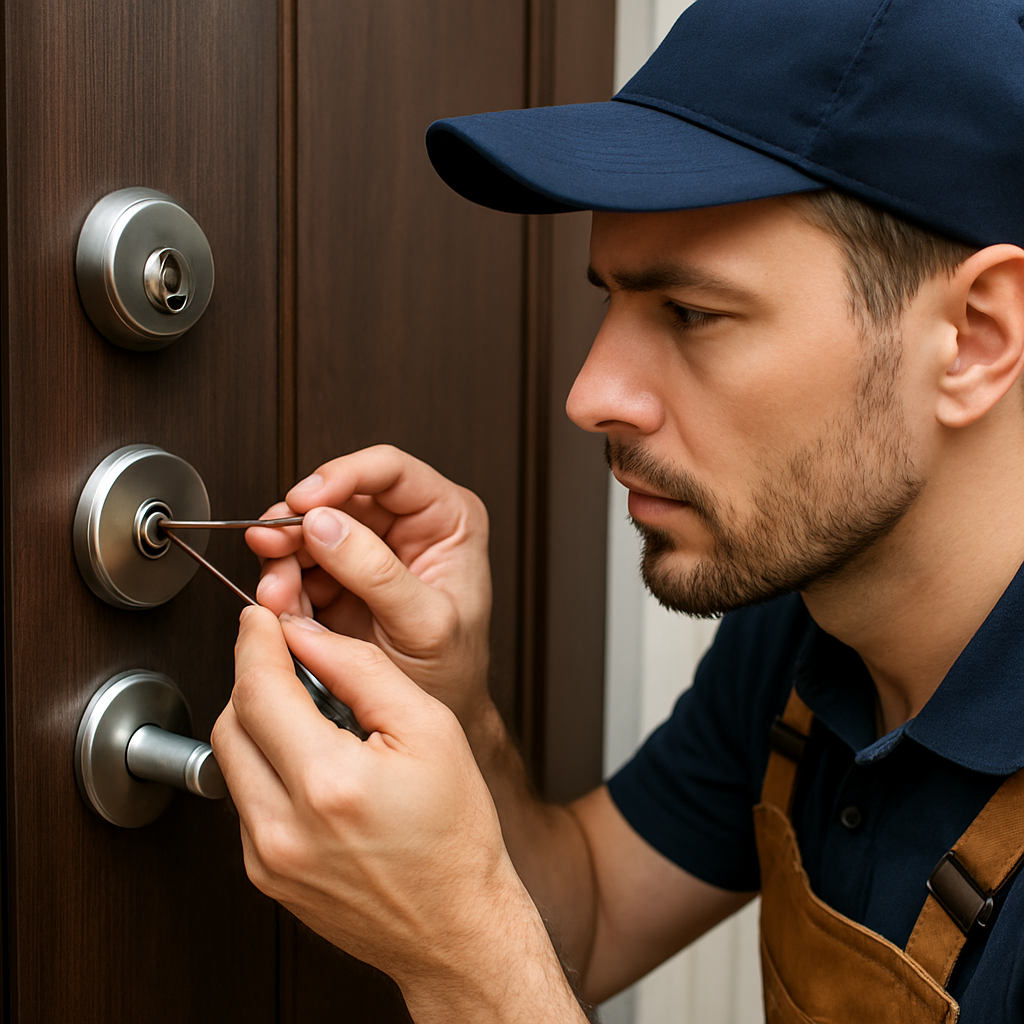
Once I responded to a boutique that had repeated lockouts and found a warped frame caused by a delivery van impact, which meant the cylinder itself was fine but the strike needed adjustment and a reinforced plate. We swapped the battery and added ventilation, which stopped the intermittent faults, and then scheduled a firmware and hardware audit to avoid recurrence. A manufacturing client had a master key compromise when an employee lost a master key, and they needed immediate rekeying and audit; we executed a staged rollout of new cores and staggered the rekeys to keep operations running.
Budgeting and timeline guidance for emergency and planned commercial lock work.
Emergency calls after hours typically carry a premium, often between 25 percent and 100 percent above standard rates depending on time and complexity, so plan accordingly for a late-night service. If you need a specific mortise cylinder or a vendor-locked electronic reader, expect a 48-hour to one-week delay if the part is not in local stock. Major changes, like replacing a master key system or migrating to a new access control platform, should be scheduled, budgeted, and tested outside peak operations.
Preventive steps and maintenance that lower the chance of a late-night "locksmith near me" search.
Those small checks often slash emergency call frequency by half or more. Keep a small stock of emergency items on site, such as replacement batteries, a spare conventional cylinder, and a few temporary deadbolts, because having a quick fix can save both downtime and call-out premiums. Document key control and maintain a restricted key holder list, because social engineering and lost keys are common causes of emergency rekeys and security incidents.
Final operational checklist for managers dealing with a commercial lock failure.
Classify the event as low, medium, or high risk depending on assets and exposure and assign responsibility for securing the scene. A clear brief to the technician often halves the on-site time. Documentation is the bridge from emergency stopgap to long-term resilience.
When selecting a 24 hour locksmith Orlando, choose someone who communicates transparently, has commercial references, and understands both mechanical and electronic systems. A brief, practiced response plan saves panic and dollars when the next failure happens.